Hair Loss Treatment Types
Oral, topical, foam, shampoo, oil — hair loss treatments come in a lot of formats. Here’s what each one actually does and how they compare.
Treatment formats, compared
The active ingredient matters more than the format it comes in, but format still affects how consistently people actually stick with a treatment — which matters, since most hair loss treatments only work while you’re using them.
Not every hair-loss approach comes as a pill, foam, or topical product. Some clinics also offer procedure-based options such as platelet-rich plasma, and our separate guide explains PRP hair therapy cost and how treatment plans may be priced.
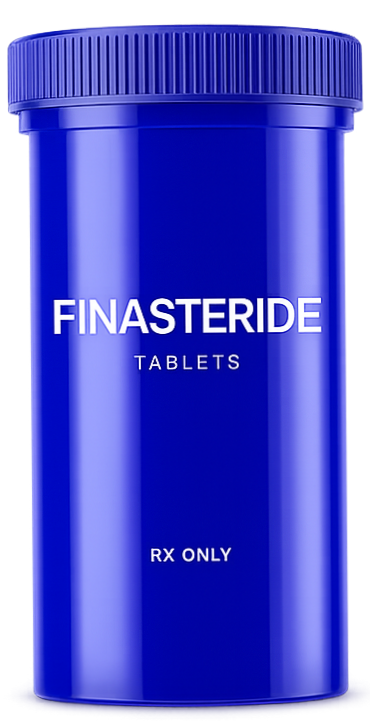
Finasteride Tablets
Once-daily pill, systemic DHT blocking. Requires a prescription and easy to build into a daily routine.
Learn more →Oral Minoxidil
An off-label alternative to topical minoxidil, requires a prescription, skips the daily application step.
See OTC guide →Minoxidil Solution
Applied directly to the scalp, no prescription needed. Can feel greasy for some users compared to foam.
See OTC guide →Minoxidil Foam
Same active ingredient as the liquid, dries faster and feels less greasy for most users.
See OTC guide →Ketoconazole Shampoo
Addresses scalp conditions that can contribute to shedding, not a primary regrowth treatment on its own.
See OTC guide →Botanical Oils and Serums
Formulas built around plant extracts. Generally gentler, with less independent clinical evidence than drug-based options.
See product reviews →Which format actually matters
For men with hormonally driven hair loss, oral finasteride tends to be the highest-impact format since it works systemically rather than just at the scalp surface. Topical minoxidil (liquid or foam) is the best-evidenced non-hormonal option, and works for both men and women. Shampoos, oils, and serums are best treated as supporting additions rather than primary treatments — see our full men’s hair loss treatment guide for how to combine them into a routine.
Not sure which format fits you?
A quick consult can match you with the right combination for your situation.
Find Your TreatmentCommon questions
Is oral or topical treatment more effective?
Oral finasteride tends to be more effective for hormonally driven hair loss since it works systemically. Topical minoxidil is effective through a different mechanism (blood flow) and works regardless of cause, so many routines use both.
Does minoxidil foam work better than the liquid?
They contain the same active ingredient and are equally effective. Foam simply dries faster and feels less greasy, which is why many people prefer it for daily use.
Can I combine multiple treatment formats?
Yes, this is common — oral finasteride combined with topical minoxidil is one of the most frequently recommended combinations, since they work through different mechanisms.
Do hair loss shampoos actually work?
Medicated shampoos can support scalp health and reduce contributing factors like buildup or inflammation, but they aren’t a primary regrowth treatment on their own.